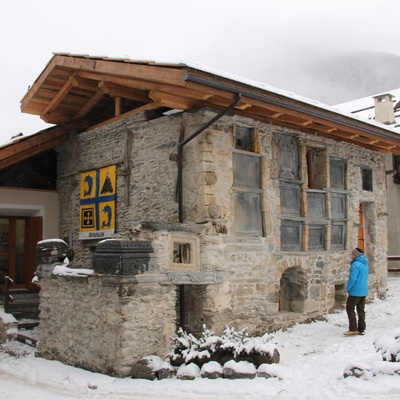
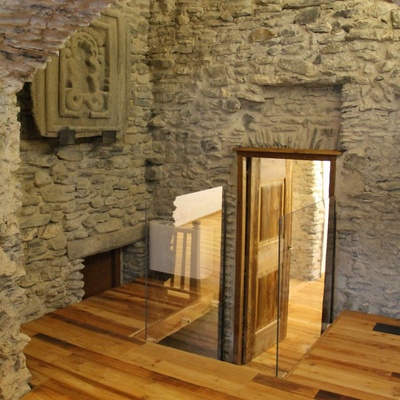
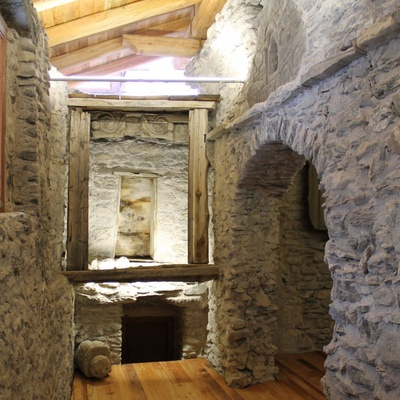
After extensive recovery and enhancement work, the new museum site was inaugurated with a presentation on Saturday, January 2, 2016.
The origin of the building, its various construction phases, its function, and especially who inhabited it and gradually adorned it with its sculptural decorations remain a mystery for now, lacking an in-depth study that clearly and definitively explains this extraordinary monument.
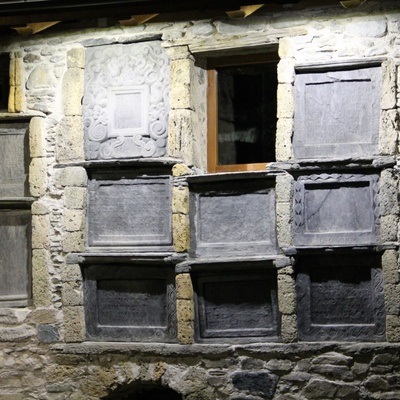
To the west lies the wall that gives the monument its name, which is also the best-preserved elevated structure of the entire house. Embedded in this wall are fourteen plaques, decorated with geometric, religious, and vegetal symbols that embellish their frames. Two other plaques are embedded in other walls.
Inscriptions on these plaques exhort a life of penance and asceticism, written in refined French that can be dated to between the late 17th and the first twenty years of the 18th century. These hymns to penance and citations of the lives of saintly ascetics provide a beautiful testimony to the multifaceted religiosity of the 18th century, emerging from a severe crisis due to the struggles against the Waldensians and Huguenots. During the second half of the 17th century, these conflicts left a heavy mark on the territory, which was repeatedly devastated and plundered during Protestant incursions.
The overall tone of the Bousson plaques has recently enabled scholars to link the culture that produced them to Jansenism, a movement within Reformed Roman Catholicism that, in attempting to mediate with Protestant religious positions, ended up being associated with and condemned alongside them.
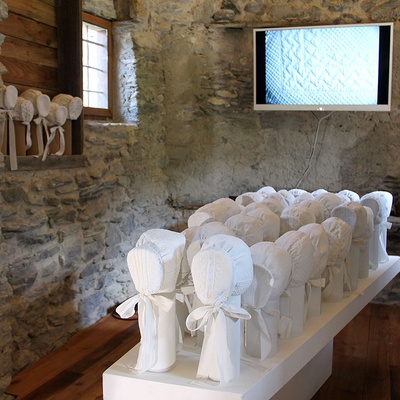
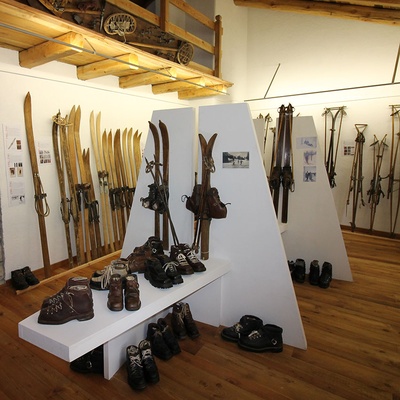
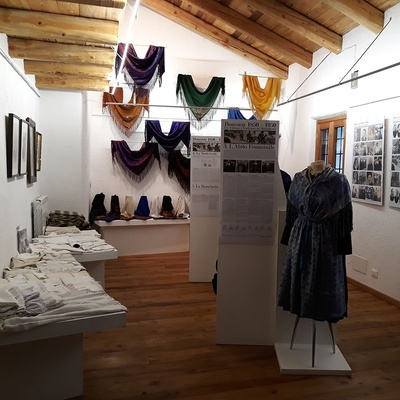
Today, it hosts a museum of local customs and traditions.